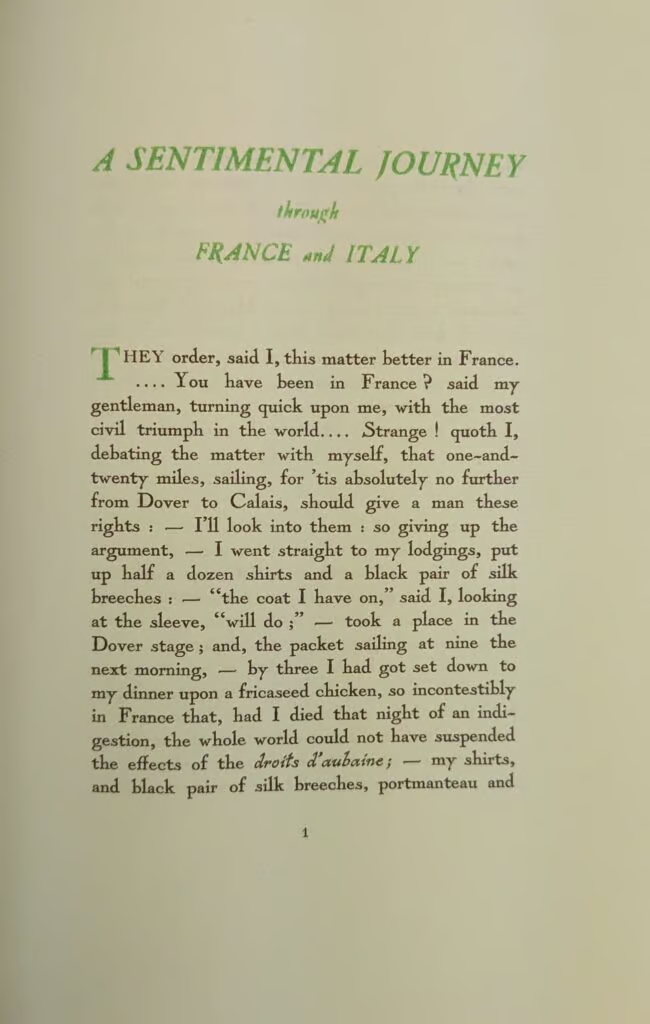
A Sentimental Journey Through France and Italy
- Author: Laurence Sterne
- Illustrator: Polia Chentoff
- Publisher: Black Sun Press
- Place: Paris
- Year: 1929
Originally published in 1768, Sentimental Journey follows on the heels of Laurence’s previous, best-selling novel, Tristram Shandy. Sentimental Journey is a fictionalized autobiography that features the Reverend Mr. Yorick, who also appeared in Shandy, in a travel narrative-style novel as he journeys through France and Italy. Originally planned as a four-volume series, Laurence passed away before readers ever see Yorick arrive in Italy. The novel went through well over a dozen editions before 1800, suggesting wide readership.
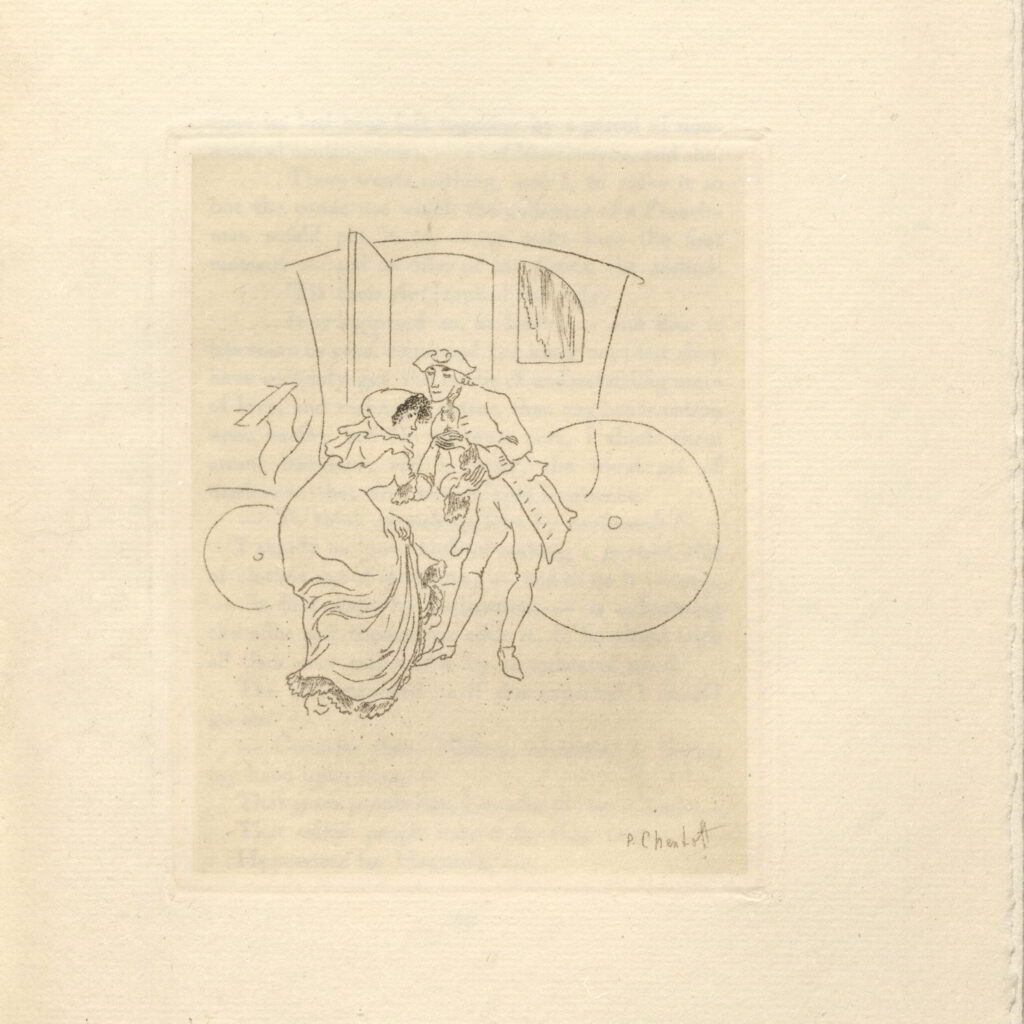
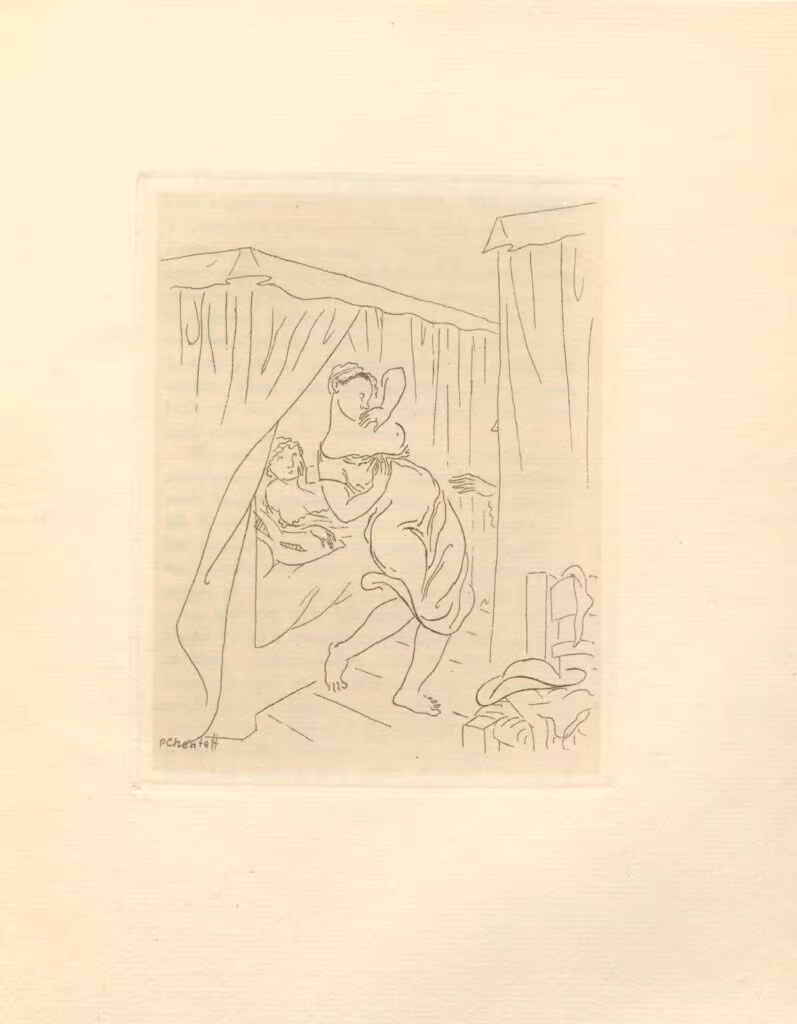
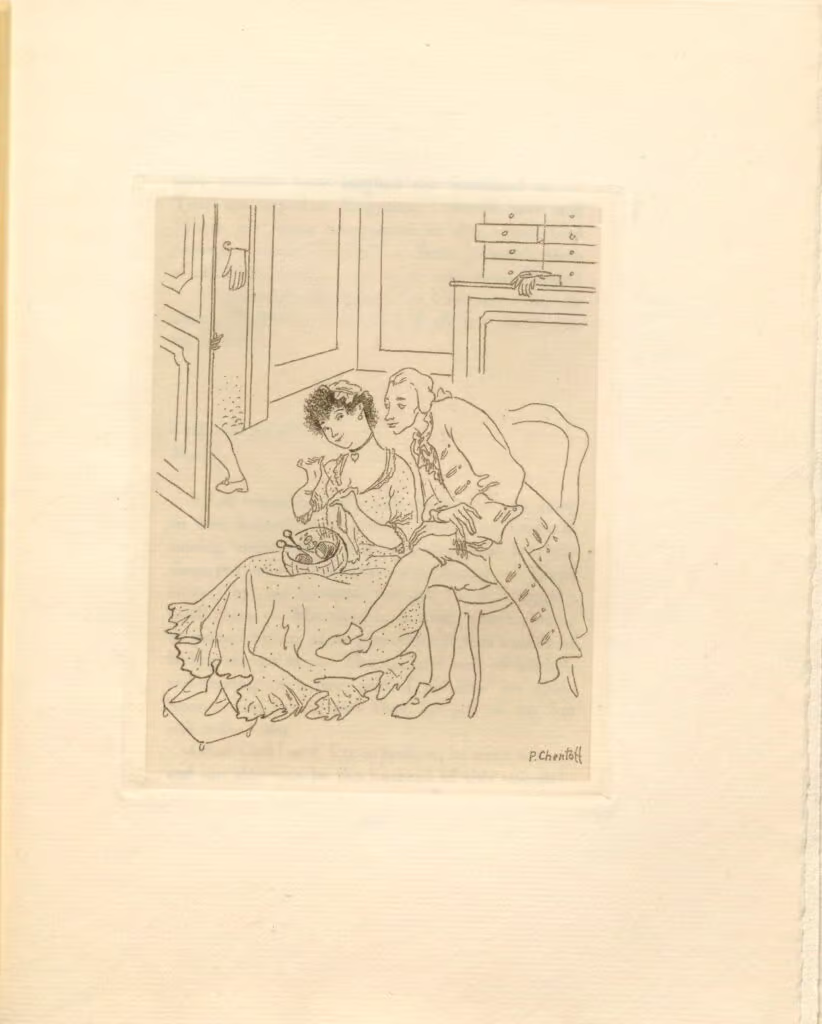
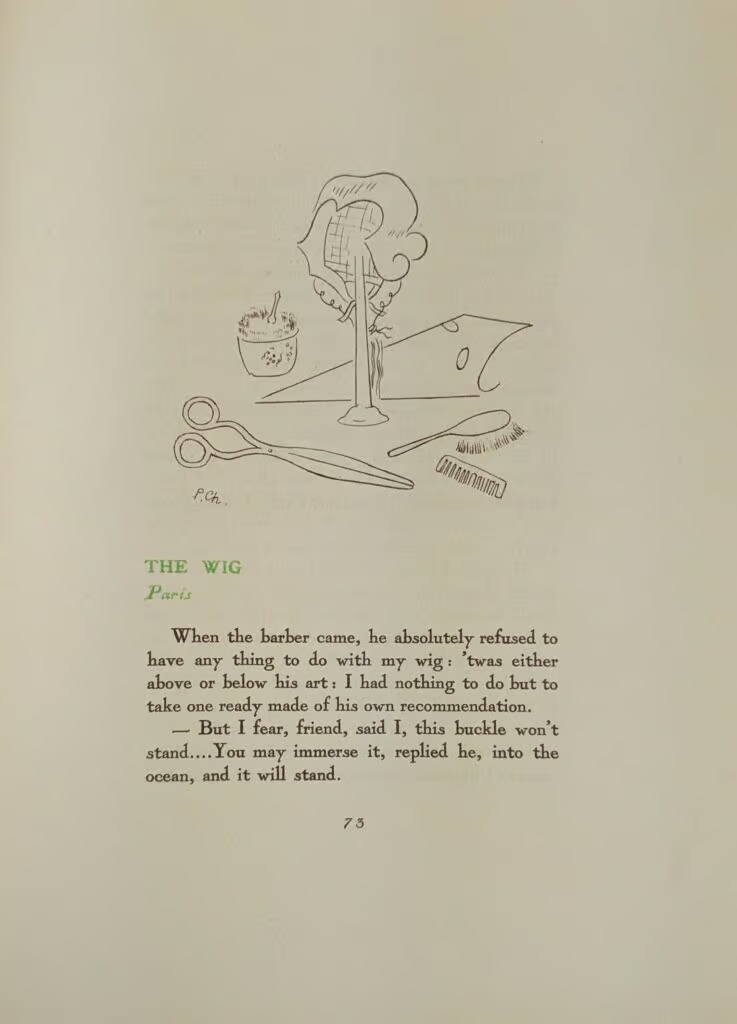
This edition, published by the Black Sun Press in 1929, features illustrations by Polia Chentoff. Chentoff was born into modest circumstances in 1896 in Vitebsk in current-day Belarus. After a brief time in Moscow, Chentoff moved to Brussels to study at the Royal Academy of Fine Arts. Upon graduation, she moved to Paris and found some success, including showing in the Paris Salon. After returning to Moscow for several years, she moved to London, where she continued to find success in sculpture and painting.
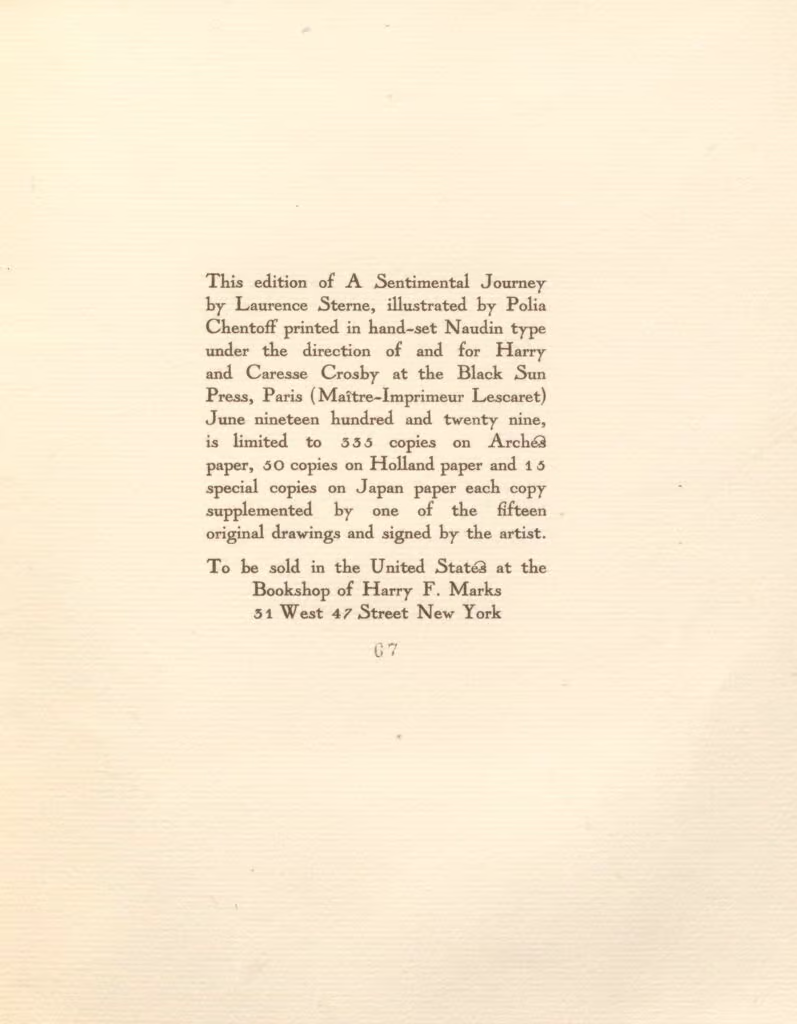
Carl Weeks had a particularly strong interest in Western literature, and that is clearly reflected in the Salisbury House Library Collection. There are a handful of titles to which Carl seemed especially drawn, based on the number of different editions he collected of each title. For example, there are 18 copies of Leaves of Grass in the Salisbury House Library Collection, and over 40 Bibles. In the case of Sentimental Journey, he owned the 1929 Black Sun Press edition as well as the 1936 Limited Editions Club edition. Carl acquired the Black Sun edition from Harry Marks, who was one of Black Sun’s few U.S. distributors. Marks was one of Carl’s two go-to book vendors in the U.S., the other being Philip Duschnes. Marks specialized in high-end, beautifully illustrated, finely-bound volumes, and he boasted an elite roster of clients, including the Weekses. Carl’s copy of Sentimental Journey is number 67 of 335 copies that were printed on Arches paper. It features the original paper, deckled edges, and hand-set Naudin type designed by Bernard Naudin in 1924.
- April and May 2026; rotating library display case