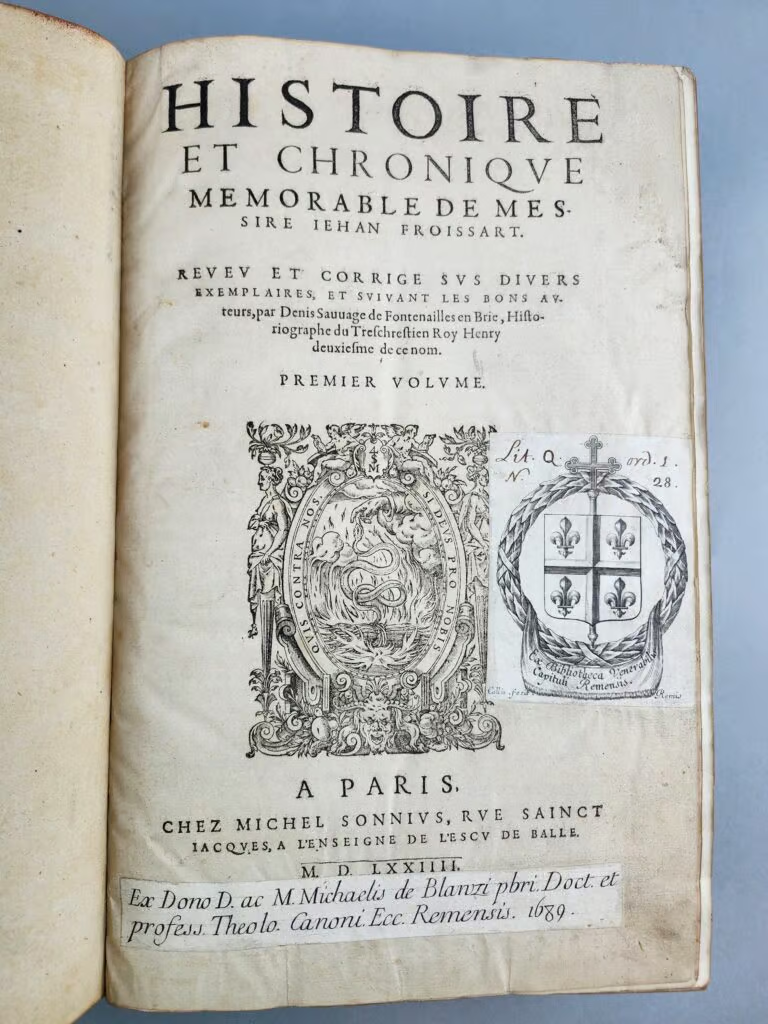
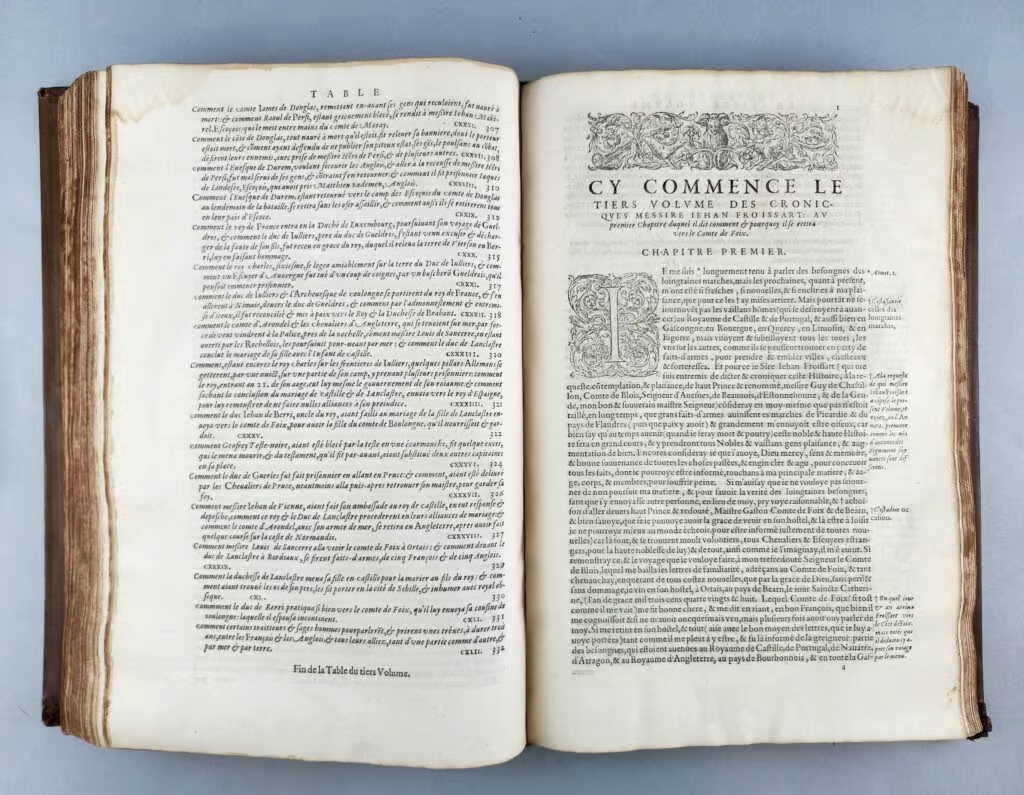
Histoire et Chronique Memorable de Messire Iehan Froissart
- Alternate Name: Froissart’s Chronicle of the Hundred Years’ War
- Author: Jean Froissart
- Publishers: Michel Sonnius & Robert Granjon
- Place: Paris
- Year: 1574
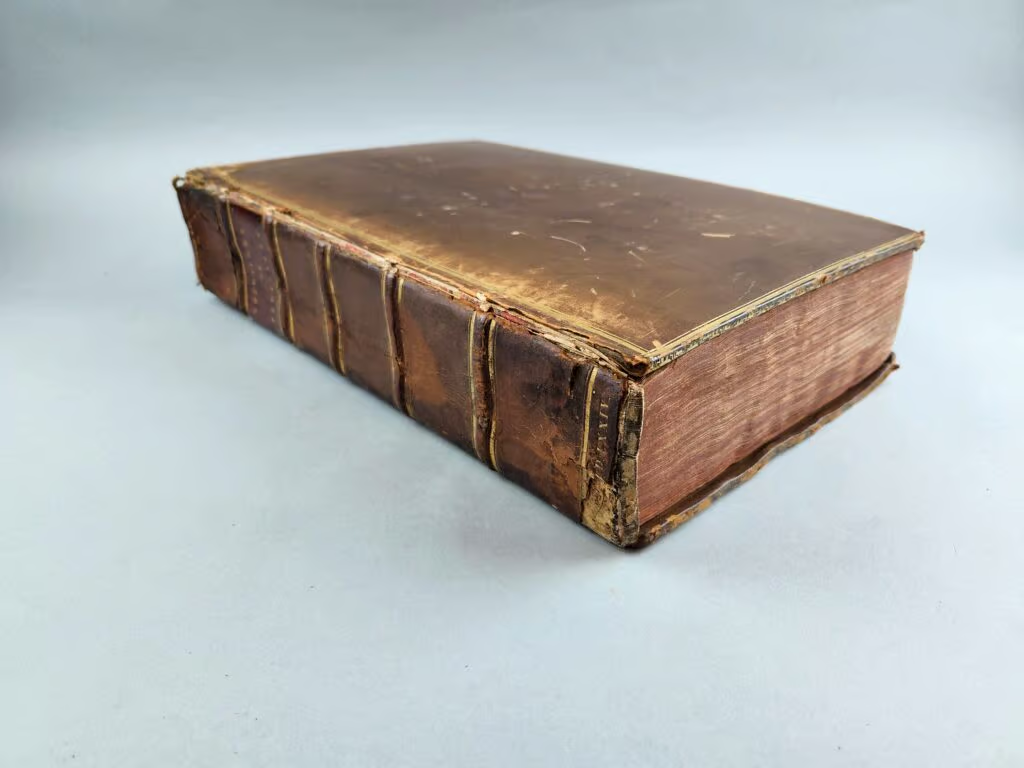
This 16th-century book from the original Salisbury House Library Collection has more stories to tell than just its prose chronicles of 14th-century European conflicts. Originally written by late-medieval author Jean Froissart, this title joins the ranks of medieval manuscripts and accounts preserved due to the advent of the printing press hundreds of years later. Jean Froissart, a medieval court historian from the Low Countries, was the author of several histories, a long Arthurian romance, and poetry. His Chronicles, first printed posthumously in 1495, are considered an authoritative source on the first half of the Hundred Years’ War. A sought-after title, a number of editions were made by Parisian print shops in the 1560s and 70s. Denis Sauvage, a court historian, edited this deluxe volume to be closer to Froissart’s original, organizing it into 4 books, or sections. Curiously, this single volume features sections printed by 2 opposing print shops. While not uncommon for printers of longer works to share a publication, these print shops worked as opponents rather than collaborators. Did a 16th-century reader shop around for the best price? Was a later collector playing build-your-own book? Given this item’s 19th or 20th-century binding, we’ll likely never know.
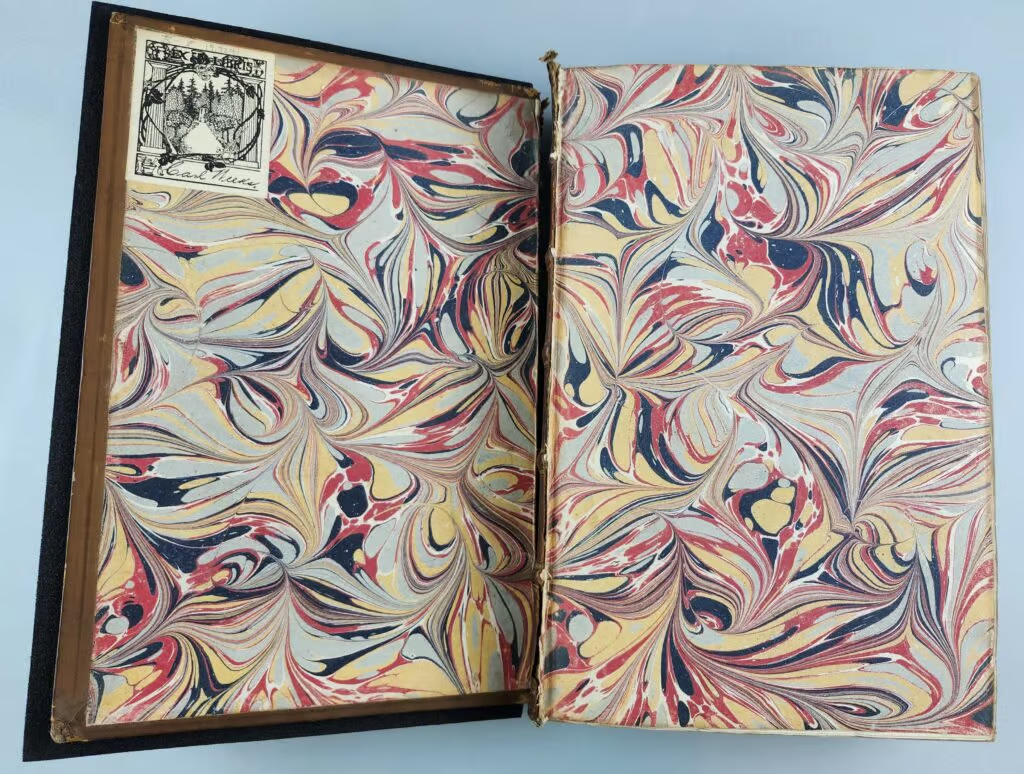
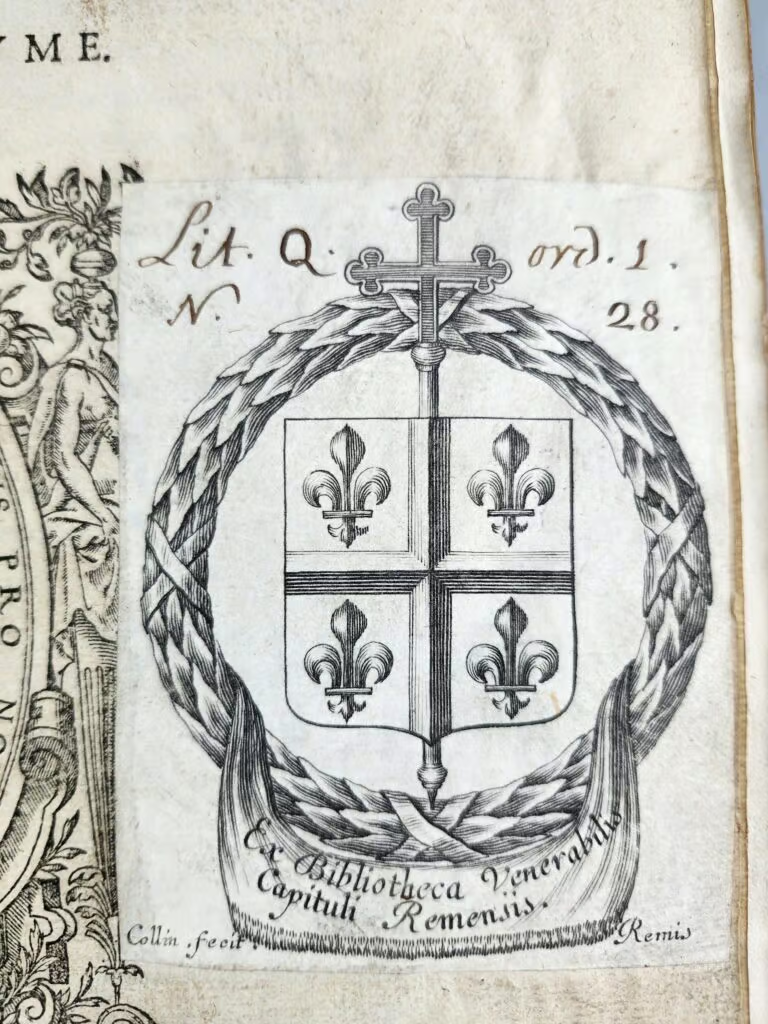
Provenance prior to Carl Weeks presents another mystery for this book; in addition to Weeks’s signature ex libris bookplate in the front cover, the title page holds historic ownership marks, including a note referencing Michael de Blanzy and a bookplate of the Bibliotheca Venerabilis Capituli Remensis—the cathedral of Reims—including its original shelf location. Reims, a city in northeast France, is home to the historic Cathédrale Notre-Dame de Reims, the traditional location of French coronations from 815 to 1825. De Blanzy, a scholar, professor, Canon, and bibliophile, bequeathed his library of 5000 books to the cathedral in 1689, one year before his death. The entirety of de Blanzy’s gift is yet to be traced, as are the last 300 years of this book’s life before arriving on Carl Weeks’s bookshelves. After the Reims Cathedral library’s dissolution, other books from de Blanzy’s library and the cathedral collection have scattered across collections throughout the world, including Cambridge and Lyon Libraries. Now at Grinnell, this book serves as a teaching tool awaiting further research!
- June through August 2024; rotating library display case